Three paid courses for studio interview directing—from first frame to full workflow

Each course is built around the same controlled studio situations: seated interviews, two-person conversations, and small panels. The goal is not style for its own sake. The goal is repeatable decisions you can name: coverage roles, eyelines, lens pairings, and lighting intent that holds for long answers.

Courses are educational only. Fera Holding B.V. does not offer production services, equipment rental, studio booking, talent booking, or career placement. Pricing is in euros (EUR) and shown without discounts or countdowns.

Self-paced with recommended pacing Assignments: shot lists, blocking, review notes Interview and conversation formats only
broadcast camera in television studio

Course outlines and pricing

The three courses are separate and paid. They are designed to stack cleanly: foundations establish framing and baseline setup discipline; intermediate introduces multi-camera roles, guest direction, and stable lighting; advanced ties the day together with run-of-show, shot planning for editorial intention, and communication loops that keep a studio calm.

Foundation €149

Studio Interview Foundations: Frame, Camera Basics, and a Simple Setup
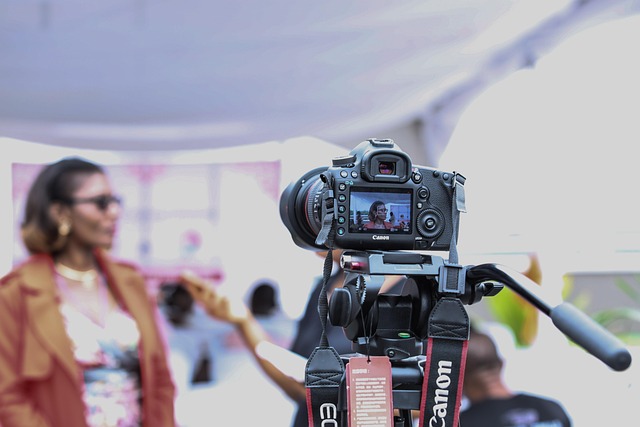
studio video camera close up
Photo subject: studio video camera close up Stock query: "studio video camera close up"

This course is for learners who want a clean single-camera interview that holds together from the first question to the last. You’ll build a repeatable baseline: a stable camera position, a framing checklist, and a simple lighting placement that protects exposure and contrast without overcomplication.

The emphasis stays practical. You will set white balance with intention, choose a lens that supports a calm close-up, and learn what “good headroom” means in a way you can repeat on any set. We also cover basic interview blocking: chair height, shoulder angle, and where hands can sit without clipping or distracting movement.

Who it is for

Beginners who can operate their camera but want consistent interview frames and a controlled look. Useful if you are moving from casual shooting into a studio-like setup.

  • What is covered: camera basics for interviews (exposure intent, shutter discipline, white balance), framing language (headroom, eyeline, lead room), simple blocking, basic key/fill placement.
  • Format: self-paced modules + practical assignments.
  • Duration: 3 weeks (recommended pace), ~6–8 hours total.
  • You will practice: recording a short interview answer with locked exposure, then reviewing for framing drift and continuity.
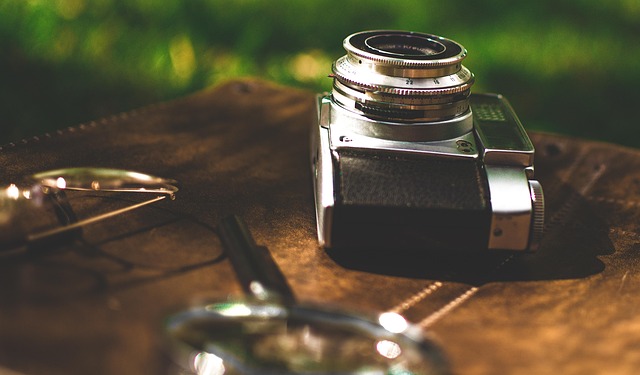
Intermediate €349

Directing the Studio Conversation: Multi-Camera Coverage, Guests, and Practical Lighting

interview studio multi camera setup
Photo subject: interview studio multi camera setup Stock query: "interview studio multi camera setup"

This course is for learners who want to run a two- or three-camera interview or table discussion without turning the room into a guessing game. The core idea is coverage responsibility: a master that anchors continuity, singles that carry content, and reaction safety that protects edits when conversation gets messy.

We work through camera placement in relation to the 180° line and teach practical ways to avoid cross-shooting. You will learn how to brief operators, how to call holds, and how to ask for small resets without breaking the mood for guests. Lighting is treated as a stable baseline: a key/fill relationship that stays consistent while people turn, lean, and gesture.

Who it is for

Learners who can build a basic interview frame and now want multi-camera coverage, directing language for guests and hosts, and a controlled conversation setup that stays readable for long sessions.

  • What is covered: multi-camera placement, lens pairing for master vs singles, avoiding crossing the line, reaction coverage, guest/host cues, and a conversation lighting baseline (separation, background control, exposure stability).
  • Format: structured modules + scene breakdowns.
  • Duration: 6 weeks (recommended pace), ~14–18 hours total.
  • You will practice: building a two-camera conversation, then reviewing where cut points feel natural and where coverage breaks continuity.
Advanced €649

Complete Studio Interview Workflow: Planning, Set Communication, and Editorial Intention

control room monitors interview set
Photo subject: control-room monitors showing an interview set Stock query: "control-room monitors showing an interview set"

This course is for learners who want to run the whole studio day as a system: pre-production, the set itself, and the review loop that turns footage into better planning next time. The aim is methodical workflow. You will learn how to write a run-of-show that is useful under pressure, and how to build a shot list that reflects editorial intention rather than habit.

We focus on how decisions travel between roles: the director’s brief to camera, the operator’s framing discipline, talent cues that keep eyelines consistent, and notes that prevent continuity drift. You’ll practice calling pickups with minimal disruption, tracking resets, and creating “edit notes” that are actually actionable when you open the footage.

Who it is for

Learners who already understand basic framing and multi-camera coverage and now want a full studio workflow: planning, set communication routines, and a repeatable review process that strengthens editorial decision-making.

  • What is covered: run-of-show structure, segment timing, shot lists that match cut intent, continuity notes, pickup strategy, and communication loops between director, camera, and talent.
  • Format: deeper practice assignments + planning tasks + scene breakdowns.
  • Duration: 10 weeks (recommended pace), ~28–36 hours total.
  • You will practice: writing a complete plan for a studio interview, then checking it against what the footage would allow in the edit.
Ask about the advanced course

Education only. No career placement, client acquisition, or guaranteed outcomes are offered.

What learners typically use

You can complete most assignments with a single camera and a basic controlled space. Multi-camera concepts are taught with real coverage logic, but you can simulate a two-camera scene by repeating segments and comparing how cuts behave. The important part is the decision: what the camera is responsible for and why.

In the lessons we use set vocabulary you can reuse: master, single, two-shot, reaction safety, eye line, cross, hold, pickup, reset. The point is to keep communication short and unambiguous.

A practical selection guide

  • Choose Foundations if your framing drifts, exposure shifts, or your single-camera interview does not feel consistent from answer to answer.
  • Choose Intermediate if you are adding a second/third camera and need coverage roles, cut points, and guest direction that keeps the room calm.
  • Choose Advanced if you want a full day workflow: run-of-show discipline, shot planning for editorial intent, pickups, continuity notes, and a review loop.

What “practical” means here

“Practical” does not mean short. It means the work is anchored to specific studio decisions that show up in footage. Each course uses the same three habits: plan coverage, run a controlled setup, then review what the material actually allows in the edit. The review is where vague ideas become specific.

  1. 01

    Shot planning as coverage roles

    A shot list is not a shopping list of angles. It is a set of responsibilities: which camera anchors continuity, which camera carries content, and which camera protects the edit with reactions and safety holds. You’ll learn how to write holds and pickup notes that an operator can follow without interpretation.

  2. 02

    Blocking and eyeline control

    Small seat and shoulder changes break cuts. We work through a controlled approach to eyeline, body angle, and the “do not drift” cues that keep interviews consistent. It is a modest skill with a big payoff: footage that cuts without jumps.

  3. 03

    Lighting intent that survives time

    Studio interviews run long. Lights get bumped. People lean. We focus on key/fill intent, background control, and practical safeguards so exposure does not drift. The target is a stable baseline you can keep all day.

  4. 04

    Review like an editor

    You will compare takes, identify where cut points feel forced, and diagnose why. Was it a lens mismatch? Was the master too tight? Did reactions arrive late? This feedback loop is the most direct route to better shot planning.

Image guidance for this section

Use a photo of a studio camera with a visible monitor or control-room view that clearly suggests coverage review. The image must show camera or studio/interview equipment; avoid portraits and office scenes.

control room monitors interview set
Photo subject: control-room monitors showing an interview set Stock query: "control-room monitors showing an interview set"

Scope reminder

The courses focus on studio interview and discussion formats. We do not teach equipment sales, equipment rental workflows, talent booking, or production-for-hire. Outcomes depend on your room, gear, and practice time.

Need help choosing?

If you describe your intended setup (single interview, two-person table, or small panel) and what you can record with (one camera vs multiple), we can point you to the most appropriate starting course. Responses are typically within 2 business days.

Ask a course question

Use this form if you want help choosing between the three courses or if you want to confirm whether a topic is covered. If you include your current camera setup and the format you are practicing (single interview vs table conversation), we can answer more precisely.

Fera Holding B.V. is registered in the Netherlands. We respond within 2 business days. Messages are used only to reply to your request.

Company details

By submitting, you agree to our Privacy Policy.