
A small learning project built around repeatable studio decisions

Derlavo is an educational platform by Fera Holding B.V., registered in the Netherlands. The content is narrowly focused on interview and conversation-based studio work: framing, coverage roles, lighting intent, and the on-set language that keeps a studio day steady.

This is education only. We do not provide production services, equipment rental, studio rental, talent booking, or career placement. The goal is competence you can practice in a controlled space, then take into any studio environment.

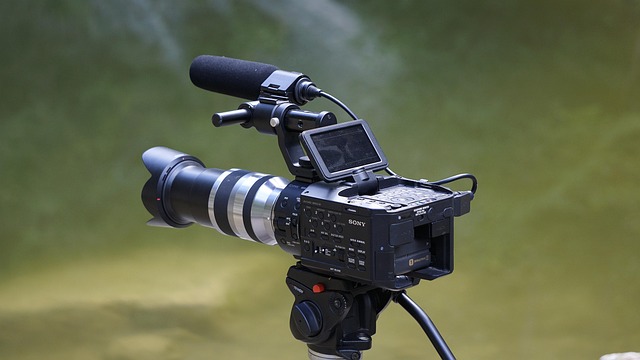
broadcast camera in television studio

Why the project exists

Derlavo started after a pattern we kept seeing on controlled interview sets: camera and lighting were “mostly fine,” but the day still drifted. The drift came from unspoken assumptions—operators guessing which angle mattered, hosts not knowing where to hold eye line, and producers trying to fix coverage problems in the edit because the plan never defined cut points.

The remedy is not secret gear or a bigger crew. It is a method: a shot list that assigns responsibilities, a framing checklist that survives fatigue, and simple directing calls that everyone understands. When a director can say “hold the master through the question,” “take the guest single on the first answer,” or “reset hands to the table edge,” the room becomes predictable—and predictability is what long-form conversation needs.

Fera Holding B.V. built this as a focused educational platform so learners can practice those decisions deliberately. The lessons stay inside studio interview and discussion formats. No lifestyle content, no influencer growth, and no promises about professional outcomes.
Mission statement

Teach practical studio interview directing through repeatable decisions: camera placement, framing language, coverage roles, lighting intent, and calm on-set communication—so footage cuts cleanly and the studio day stays controlled.

Scope boundaries we keep on every page

  • Education only: no production-for-hire, no studio rental, no equipment rental, no staffing.
  • No career placement, client acquisition, or guaranteed outcomes of any kind.
  • Studio interview and conversation formats only: seated talking head, two-person table, small panel.

The vocabulary we use

We write and teach with set terms rather than vague advice: master vs single, eyeline, cross, cut point, hold, pickup, reset notes, and continuity. Those words matter because they are how a director communicates intent under time pressure.

How we build lessons

The content is designed like a controlled studio day. Each course combines short explanations with assignments that force you to make decisions you can review later: camera responsibilities, lighting baseline, blocking notes, and an editorial plan that predicts where you will cut.

Assignment design

Every module ends with a concrete deliverable

A useful lesson produces a document or a decision you can carry onto a set: a shot list with holds, a camera map with lens pairings, a lighting baseline that defines separation, or a short run-of-show with reset notes. These deliverables are intentionally unglamorous. They are the tools that keep studio work consistent across long sessions.

When you repeat the same assignment across different setups—single interview, two-person table, small panel—you start to see where your plans break. That feedback loop is the point.

Coverage roles

We assign jobs to angles: structure, editorial flexibility, and reaction safety—so the setup scales from one camera to three.

Lighting baseline

Key/fill intent, background control, and repeatability over hours—kept practical for interview and table discussion formats.

Editorial intention in plain terms

We treat editing as a design constraint. The question is simple: where do you expect to cut, and what coverage protects that cut? That leads to small but decisive choices—lens matching, shot size changes that feel motivated, and holds long enough to avoid frantic cutting.

On-set language

Short cues for eye line, pacing, and pickups that keep guests comfortable and operators aligned.

Review loop

After practice, you review coverage as an editor would: continuity, cut points, and where the master needed to hold longer.

Image guidance for this page

About pages often default to portraits. We avoid that. If you include images here, use studio equipment photos only: cameras, lenses, tripods, pedestals, monitors, and interview sets. No face-forward portraits.

Team

The platform is small by design. Each person here contributes to a narrow slice of studio practice—coverage, lighting intent, camera operation, curriculum editing, and accessibility—so the material stays practical and internally consistent.

Sanne V., Studio Director (NCE)

Sanne has directed studio interviews and small panel conversations for 9 years, with a focus on coverage discipline and calm floor language. She built the platform’s “coverage roles” framework to reduce guesswork across operators. She is known for calling pickups that preserve continuity without flattening the conversation. Her favorite note is the simplest one: “Hold the master.”

Joris M., Lighting Tutor (Gaffer track)

Joris has spent 11 years lighting talking-head and table discussion setups where consistency matters more than dramatic shifts. His lessons emphasize baseline decisions: key-to-fill ratio, background separation, and keeping practicals from clipping. He is methodical about documenting placement so a reset takes minutes, not an hour. When a setup looks “fine but tired,” he usually fixes the background first.

Eva K., Camera Instructor (SOC)

Eva teaches camera choices that protect edit flexibility: lens pairing, shot size consistency, and exposure decisions that won’t drift mid-session. She has operated and trained operators across 8 years of studio conversation work, from one-camera interviews to three-camera panels. She is known for quick framing corrections that keep guests comfortable without making them self-conscious. Her section on avoiding cross-shooting is blunt on purpose.

Ruben D., Curriculum Editor (MA)

Ruben edits the lessons so each module produces an action, not a feeling. He has spent 7 years turning studio procedures into templates: run-of-show grids, shot lists with holds, and note-taking that survives a busy floor. He is careful about vocabulary—if a term can’t be used on a set, it usually doesn’t make it into a lesson. He keeps a running list of “common ambiguous notes” and rewrites them into something usable.

Nina P., Scene Breakdown Lead (BA)

Nina builds the scene breakdowns that show what a director is deciding moment to moment. She has spent 6 years reviewing long-form interview footage and annotating where coverage succeeded or failed: late reactions, lens mismatches, and holds that were too short. She is known for translating “it feels off” into a specific fix, like adjusting eyeline height or changing the master’s framing to stabilize a cut. Her work keeps the platform honest.

Timo L., Accessibility & QA (WCAG)

Timo checks lessons for readability, caption clarity, and practical completeness. He has worked 8 years across e-learning QA and video documentation workflows, with a focus on making technical material legible on mobile. He is strict about assumptions: if a lesson requires a second person, it must say so. His favorite fixes are small ones—renaming a step so it reads like an instruction you’d say out loud on a set.

Contact

Use the form for course fit questions, accessibility questions, or clarifications about what a module covers. If you include the type of setup you are practicing (single interview, two-person table, small panel) and the number of cameras available, we can direct you to the most relevant course section.

We respond within 2 business days. This is an educational platform; we do not quote production work and we do not provide services on set.

Company details

By submitting, you agree to our Privacy Policy.

Choose the course that matches your current setup

The courses are paid and separated by scope: foundations (single-camera interview), intermediate (multi-camera conversation), and advanced (full workflow from planning to editorial intention). Pricing is listed in EUR, and nothing is sold as a guarantee.

If you are unsure where to start, send a short note describing your room, number of cameras, and whether you are aiming for a talking-head or a table discussion. We will point you to the most appropriate starting module.

Next step

Review the full outlines, then use the contact form if you want a quick course fit recommendation.

Educational content only. No production services, rentals, or career placement.