Studio interview directing education • Online

Learn to direct studio interviews with clear coverage, lighting intent, and calm communication

Derlavo is a small educational platform by Fera Holding B.V. focused on interview and conversation-based studio formats. The lessons stay practical: camera placement, framing, multi-camera coverage, basic studio lighting, and the on-set language that keeps a set controlled and repeatable.

This is education only. We do not provide production services, studio rental, equipment rental, or career placement. The work here is about method: shot planning, run-of-show discipline, and editorial intention that can be executed with a modest, controlled setup.

Established 2022 Interview & discussion formats Shot lists, blocking, run-of-show
interview studio multi camera setup
Operating since
2022
Consistent focus on studio interview formats
Teaching style
Practice-first
Assignments built around shot lists and setups
Scope
Studio-only
Interviews, panels, and seated conversations
Editorial intent
Coverage
Shots chosen to cut cleanly in post

What this platform teaches (and what it does not)

Studio interviews look calm when the underlying decisions are concrete. A director has to name the frame, define what each camera is responsible for, and keep the room readable for both guests and crew. That includes small, unglamorous details: which eye line a guest should hold, where hands can live without crossing the frame edge, and when to hold a two-shot instead of chasing reactions.

The material is built around repeatable setups: a seated talking head, a two-person conversation at a table, and a small panel. You will work with shot planning, blocking, basic three-point lighting variations, and simple editorial intention: why you choose a particular angle, when you cut, and how you protect continuity across answers.

This is an educational project only. We do not provide video production services, equipment rental, studio booking, or staffing. We also do not offer career placement or promise paid outcomes. The aim is competence: being able to walk into a controlled studio space and run a methodical set with clear language and dependable coverage.

Common studio tasks we work through

  • Translating an interview goal into a shot list that matches edit needs (wide, tight, singles, reactions).
  • Building coverage with overlaps and cut points so answers can be tightened without visible jumps.
  • Lighting the subject to preserve skin texture and separation without making the background noisy.
  • Directing guests with neutral, respectful cues that keep energy up and interruptions down.
  • Running a simple run-of-show: segments, resets, safety takes, and notes for post.

Clear boundaries

The courses do not cover influencer growth, channel strategy, or marketing. They also do not teach feature filmmaking. Everything stays in the controlled studio world: seated conversation, multi-camera coverage, lighting that reads cleanly, and a directing process that is easy to repeat.

A practical curriculum for studio interview directing

Studio work rewards consistency. The curriculum is built around the repeatable decisions that keep camera operators aligned, keep guests comfortable, and keep editorial options open. We use the same language you would use on a set: coverage, eyeline, cross, motivation, and reset notes.

Coverage discipline

Multi-camera thinking without chaos

A two- or three-camera studio setup only works when each angle has a job. We teach coverage roles (master, host single, guest single, two-shot, reaction safety) and how to avoid cross-shooting errors. You’ll learn to plan cut points, hold times, and operator cues that keep shots stable across long answers.

You’ll also learn how to call pickups in a way that keeps continuity intact. It is less about “more angles” and more about “correct angles” that cut cleanly.

Framing language that sticks

Headroom, lead room, lens choice, and eye line—explained as a checklist you can apply shot by shot.

Lighting intent, not recipes

Key/fill separation, background control, and practicals—aimed at seated interview setups that must stay consistent for hours.

Pre-production that protects the day

We cover run-of-show structure, shot lists, and the notes you need to keep continuity across segments. The goal is a plan that survives real-time conversation, not a document that looks good and fails under pressure.

Directing guests respectfully

Neutral cues, reset language, and how to keep energy steady without breaking the conversation.

Editorial intention

A simple approach to “why this shot” so your coverage decisions serve the edit, not habit.

How learning works in practice

The lessons are structured like a controlled studio day: plan, set, rehearse a small section, then review what the coverage actually gives you. Each course contains scene breakdowns and assignments designed to build habits around repeatability and clear communication.

  1. 01

    Plan the coverage and the edit path

    You start with an interview goal and translate it into camera responsibilities. We use a simple rule: every camera earns its place by providing either structure (master/two-shot) or editorial flexibility (singles/reactions). You’ll write a shot list that includes “holds,” reset notes, and the safety angles you need if a guest shifts position.

  2. 02

    Build a controlled studio setup

    We work through camera placement, lens choice, and a lighting baseline that can survive long sessions. You’ll learn a practical approach to balancing key/fill and to keeping backgrounds from competing with faces on camera. The focus is not on shopping lists; it is on intent: separation, exposure stability, and readable contrast.

  3. 03

    Direct with concise, repeatable cues

    Studio directing is often a language problem. You’ll practice short cues for eye line, pace, and resets that keep the room calm. We cover how to give notes without breaking the conversation flow, how to call for pickups, and how to keep operators aligned when the talk becomes lively.

  4. 04

    Review coverage like an editor

    After each assignment, you review what your angles actually allow: where cuts feel natural, where jump cuts appear, and which camera should have been the master. This closes the loop between directing intention and editorial reality. Over time, your shot planning becomes faster and more accurate.

Image guidance for this section

Use a photo that clearly shows a studio camera pointed at an interview desk, or a shot list near a studio camera. The visual must be unmistakably studio/interview equipment—no generic office scenes.

camera operator filming interview desk
Photo subject: camera operator filming interview desk Stock query: "camera operator filming interview desk"

A note on expectations

The assignments are designed to be completed with a small controlled setup and a willing partner. Results vary based on room, gear, and time available. The goal is to learn decision-making and set language that transfer cleanly between studios, not to chase a specific look.

Three courses, one consistent studio focus

The three courses are paid and separate by scope. Each course page contains the full outline and what you will practice. Pricing is in euros and presented plainly—no discounts, no timers, no urgency.

Foundation €149

Studio Interview Foundations: Frame, Camera Basics, and a Simple Setup
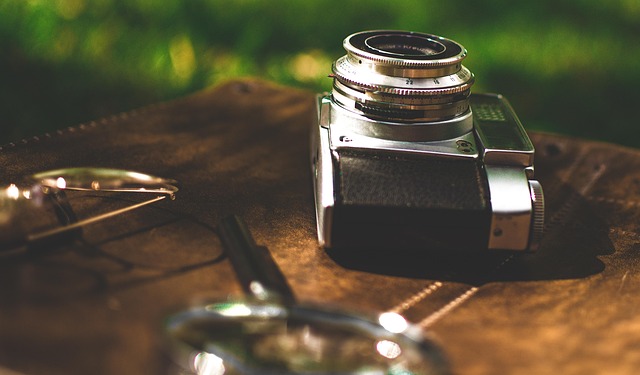
studio video camera close up
Photo subject: studio video camera close up Stock query: "studio video camera close up"

For learners who want a clean, controlled talking-head interview. You will build a repeatable single-camera setup and learn the framing language that keeps interviews consistent: headroom, eye line, and stable exposure.

  • What is covered: basic camera controls, framing checklist, simple interview blocking, basic light placement.
  • Format: self-paced modules + practical assignments.
  • Duration: 3 weeks (recommended pace), ~6–8 hours total.
Intermediate €349

Directing the Studio Conversation: Multi-Camera Coverage, Guests, and Practical Lighting

interview studio multi camera setup
Photo subject: interview studio multi camera setup Stock query: "interview studio multi camera setup"

For learners who are ready to run a two- or three-camera interview or table discussion. The course focuses on coverage roles, on-set cues, and lighting choices that remain stable during long-form conversation.

  • What is covered: multi-camera placement, avoiding cross-shooting, reaction coverage, guest/host directing cues, conversation lighting baseline.
  • Format: structured modules + scene breakdowns.
  • Duration: 6 weeks (recommended pace), ~14–18 hours total.
Advanced €649

Complete Studio Interview Workflow: Planning, Set Communication, and Editorial Intention

control room monitors interview set
Photo subject: control-room monitors showing an interview set Stock query: "control-room monitors showing an interview set"

For learners who want to run the full studio interview process from brief to edit notes. The emphasis is workflow: run-of-show, shot planning for editorial options, on-set communication, and review routines that tighten your directing choices over time.

  • What is covered: planning templates, shot lists that match edit intent, segment timing, pickups, continuity notes, communication loops between director, camera, and talent.
  • Format: deeper practice assignments + planning tasks + scene breakdowns.
  • Duration: 10 weeks (recommended pace), ~28–36 hours total.
See full advanced outline

No guarantees or outcomes promised; this course focuses on repeatable process and decision-making.

Pricing is listed in EUR for learners in the Netherlands and internationally. The platform is registered in the Netherlands under Fera Holding B.V. If you have a question about course fit or content coverage, use the contact form below.

Field notes: small studio improvements that matter

In studio interviews, the problems that derail footage are rarely dramatic. It is the chair that squeaks mid-answer, a lens mismatch that makes a cut feel like a jump, or a key light that drifts because the stand got nudged during a reset. The curriculum repeatedly returns to simple safeguards: locked exposure decisions, deliberate lens pairings for singles vs two-shots, and a run-of-show that includes time to re-level the room.

We also spend time on “operator-friendly” direction. If a camera operator has to guess whether they are responsible for reactions or only for a clean single, you will lose coverage. If a guest has no idea where to look, eye lines drift. The fix is vocabulary: naming the shot, calling the hold, and giving a single correction at a time.

The goal is not style points. It is footage that cuts cleanly and can be repeated on another day in another room.

Image guidance for this section

Use a clear shot of professional video camera gear in a studio: camera on pedestal, tripod, or monitor. Avoid portraits and office scenes.

professional video camera on pedestal
Photo subject: professional video camera on pedestal Stock query: "professional video camera on pedestal"

Quick self-check before recording

  • All cameras agree on white balance and exposure intent.
  • Eye lines are consistent and cross-shooting is avoided.
  • Audio checks are done before guests sit for long stretches.
  • Run-of-show includes resets and a safety pickup slot.

Contact the learning team

Use this form for course fit questions, accessibility questions, or content clarification. If you include your current camera setup and the type of studio conversation you want to practice (single interview vs table discussion), we can point you to the right starting course.

We respond within 2 business days. We do not sell personal data. Messages are used only to reply to your request.

Company details

By submitting, you agree to our Privacy Policy.

FAQ

Questions we receive most often about the scope of the courses and the way the practice assignments work.

Do you provide studio production services or equipment rental?

No. Fera Holding B.V. provides educational content only. We do not offer production-for-hire, studio rental, equipment rental, talent booking, or on-site crew services. If you are looking for a vendor, this platform will not be a match.

What makes “studio interview directing” different from general video shooting?

Studio interview directing is largely about repeatability. You manage coverage responsibilities, maintain eye lines, keep lighting stable across long answers, and protect editorial continuity. The content here stays within that controlled environment rather than moving into location shooting or narrative filmmaking.

Do I need a three-camera studio to follow the courses?

No. The foundation course can be completed with one camera and basic lighting control. The intermediate and advanced courses discuss multi-camera coverage, but many assignments can be simulated by repeating segments and reviewing how cuts would behave. The emphasis is decision-making and on-set language, not owning specific gear.

Will enrolling guarantee paid work or professional outcomes?

No. The platform does not provide career placement, client acquisition, or guaranteed professional outcomes. The courses teach practical methods and assignments. Outcomes depend on your context, practice time, and access to a controlled space.

How is my data handled when I use the contact form?

We use the information you submit to respond to your request. We do not sell your data. For details on retention, cookies, and your rights under the GDPR, see the Privacy Policy and Cookie Policy linked in the footer.

Educational use disclaimer

All material on this site is provided for educational purposes only. It is not a substitute for on-set supervision in your specific environment. Studio conditions vary, and results depend on room, gear, and practice.